
Chimney repair in Lakewood.
We repair the parts that wear first: crowns, caps, flashing, mortar, firebrick and liners, ideally while the damage is still small and water and heat have not enlarged it.
- Based in LakewoodJefferson County, Colorado
- We call you backTo agree on a day
- Book onlineAny hour
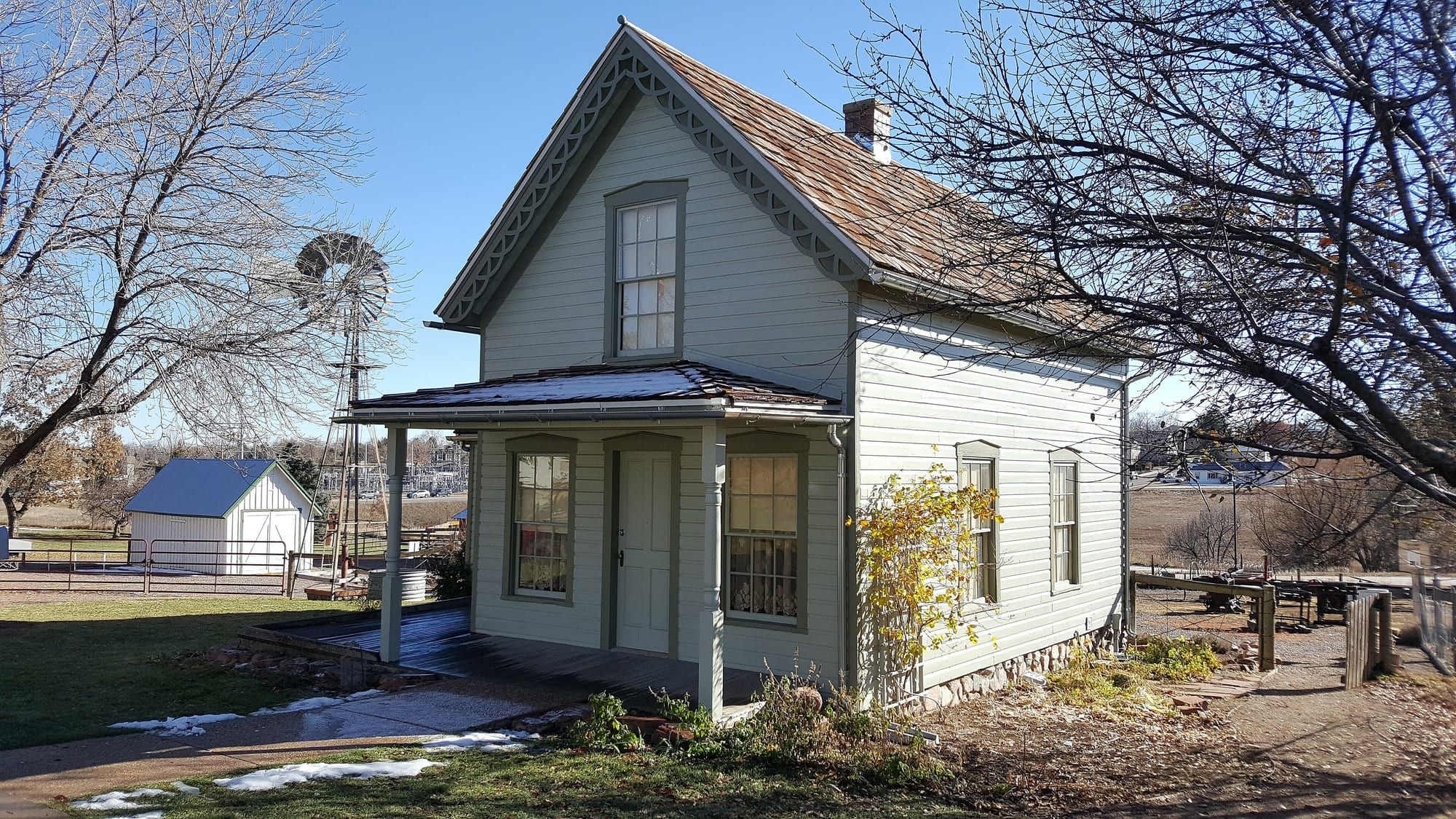
Photo: Streer-Peterson House, Lakewood Heritage Center, 3-4 view, Xnatedawgx, CC BY-SA 4.0
What we repair, from the top down.
Each part of a chimney wears in its own way. These are the usual repairs, with Lakewood's weather in the background.
Crowns.
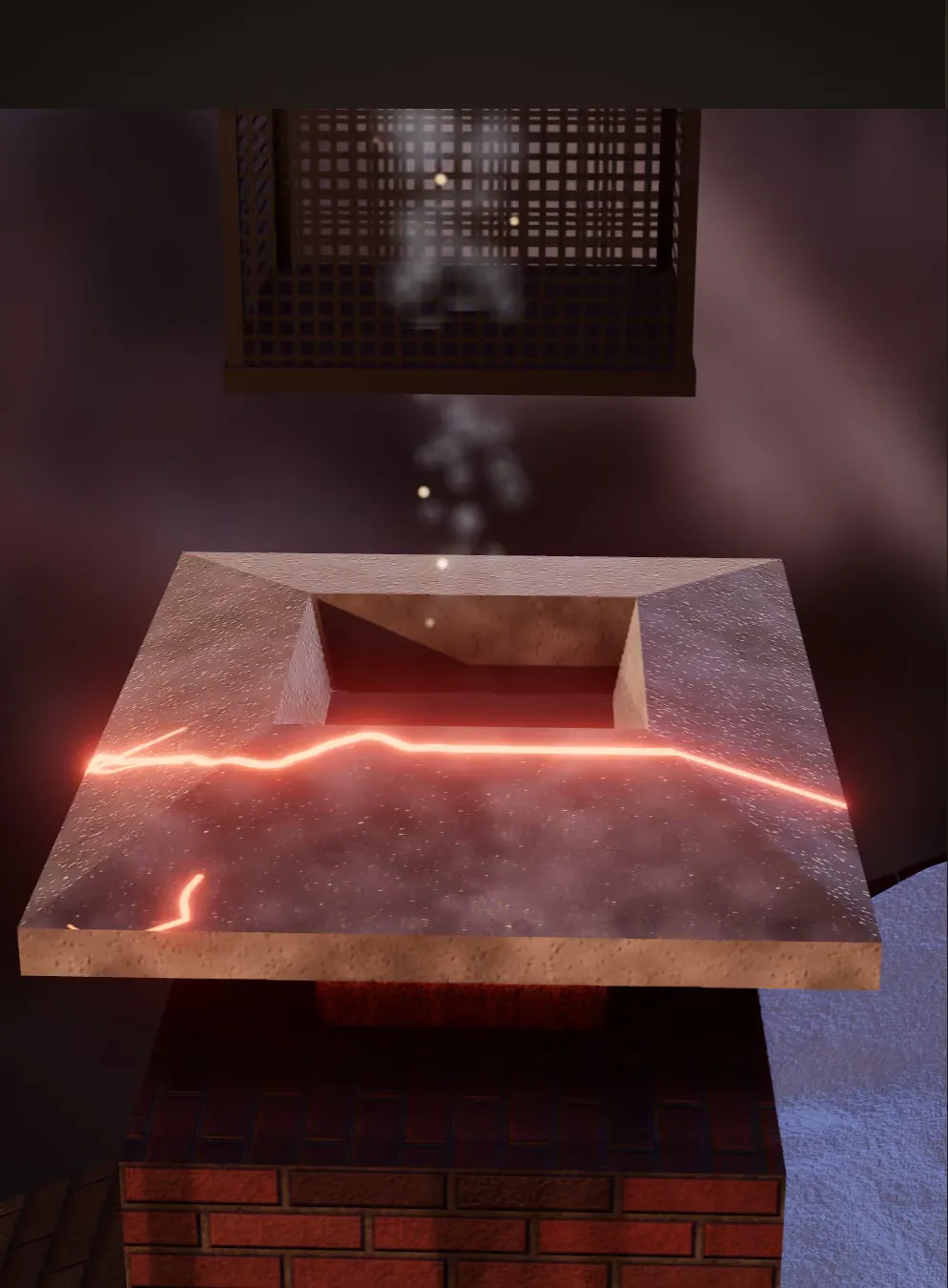
At the top of the masonry sits the crown, a slab of concrete. Rain and snowmelt cross it on their way off the roof, clear of the brick and flue, so it takes more weather than any other part.
NOAA's normals for the Lakewood station put a January day between 21.1°F and 44.8°F, and the overnight low at or under freezing on 153.8 days a year. On each such night, ice in a hairline crack pushes it open slightly more. Hairline cracks can be sealed. If the slab is crumbling or has separated from the liner, it must be removed and recast.
Illustration Caps and mesh.
Birds, squirrels, rain and snow are kept out by the cap, and its screen is also what stops sparks. The International Residential Code, section R1003.9.2, sets 1/2 inch as the widest permitted opening.
Metal caps get dented by hail, shaken loose by wind and eaten by rust. After a storm, look for dents, screws that have backed out, rusty seams and a screen that sags or is clogged.
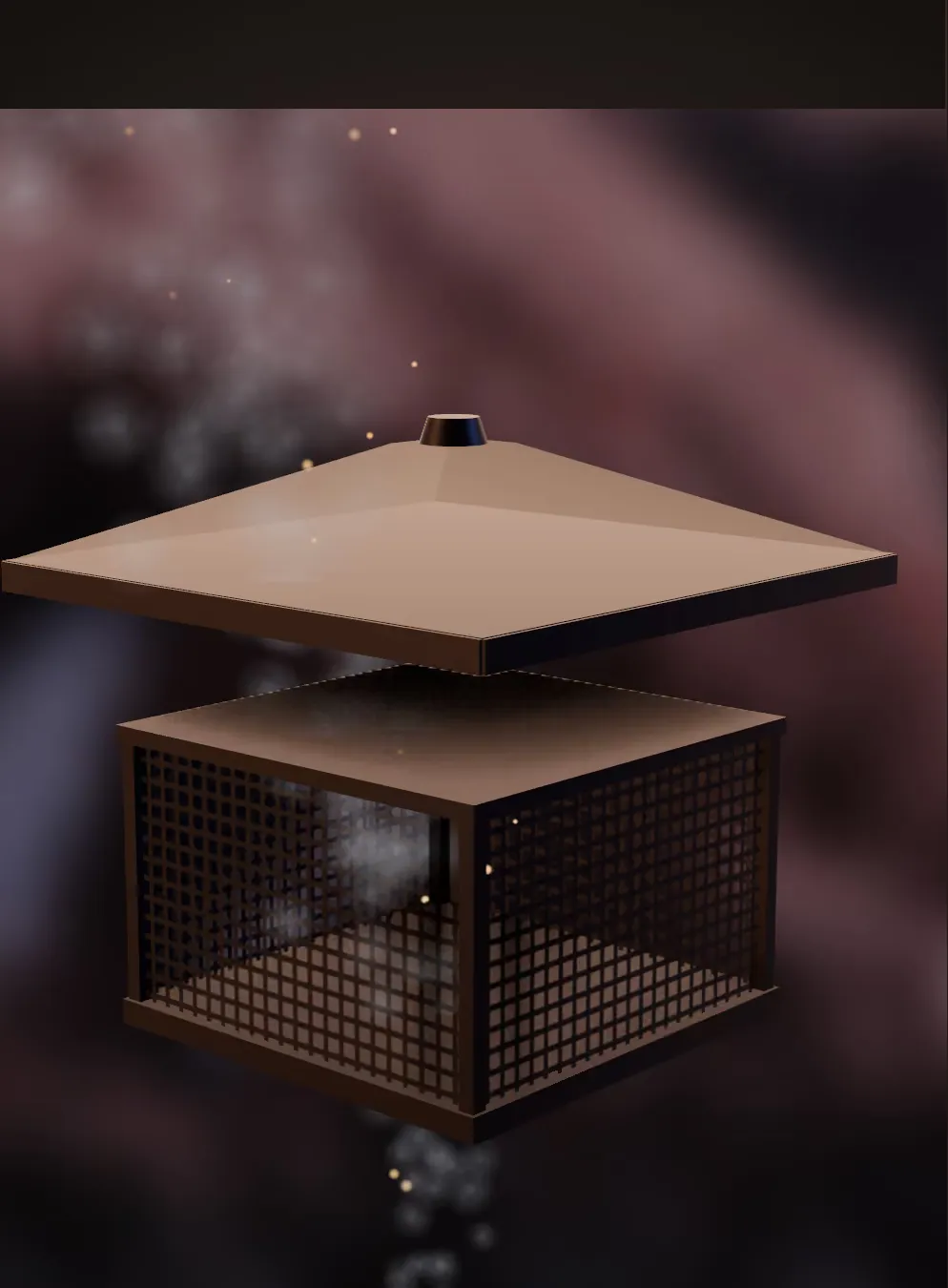
Illustration Flashing around the base.
Flashing closes the joint where the chimney meets the roof. Wet snow drains off slowly on the uphill side, so a lifted edge or a worn bead of sealant usually leaks along that line. Indoors, the first clue is often a brown stain on the ceiling, or a damp attic wall next to the chimney.
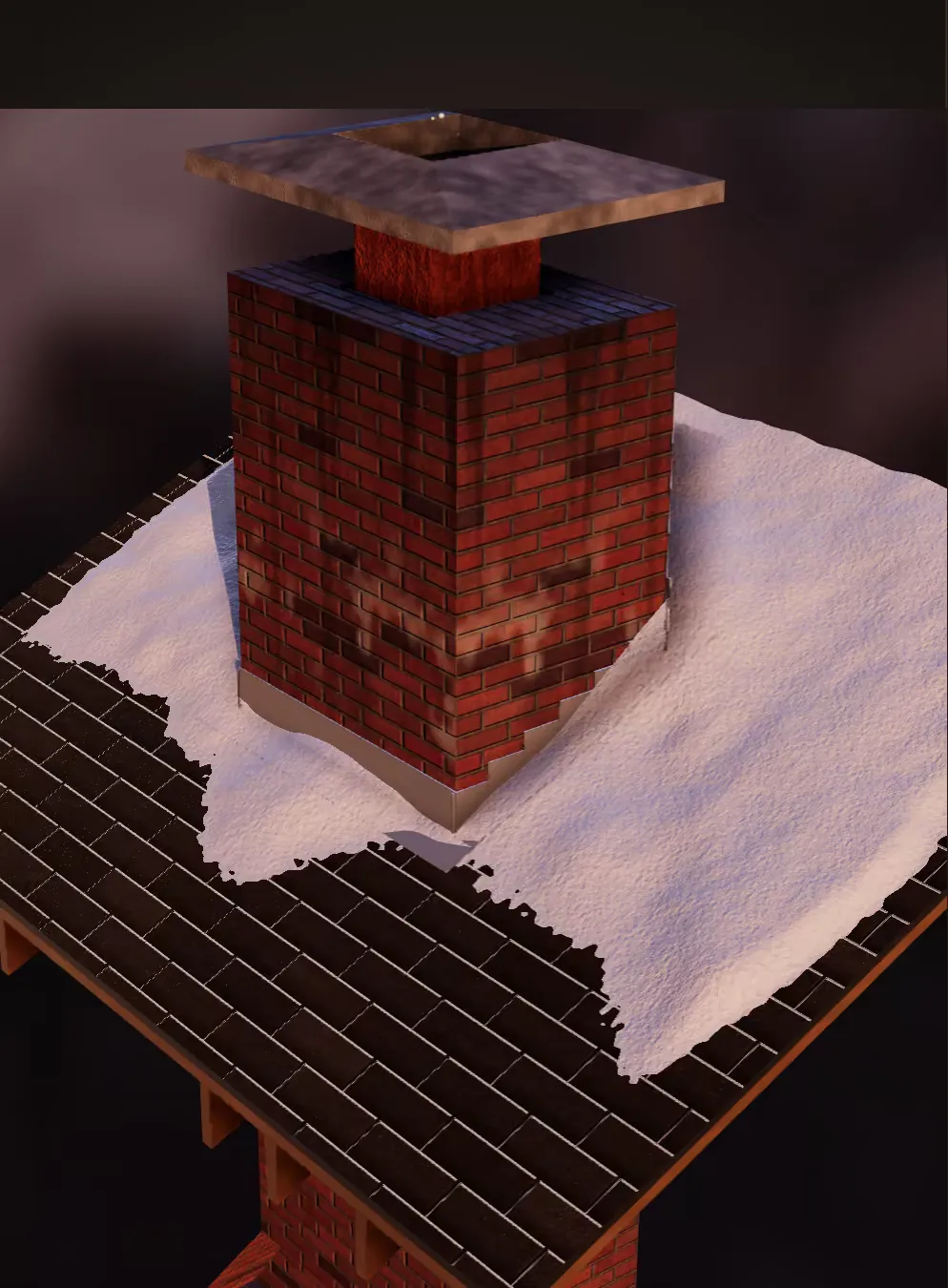
Illustration Inside the firebox.
Fire and heat press directly on the firebrick and the mortar between. When joints gape and bricks split, heat can travel to the framing behind, so a small gap closed early protects the woodwork.
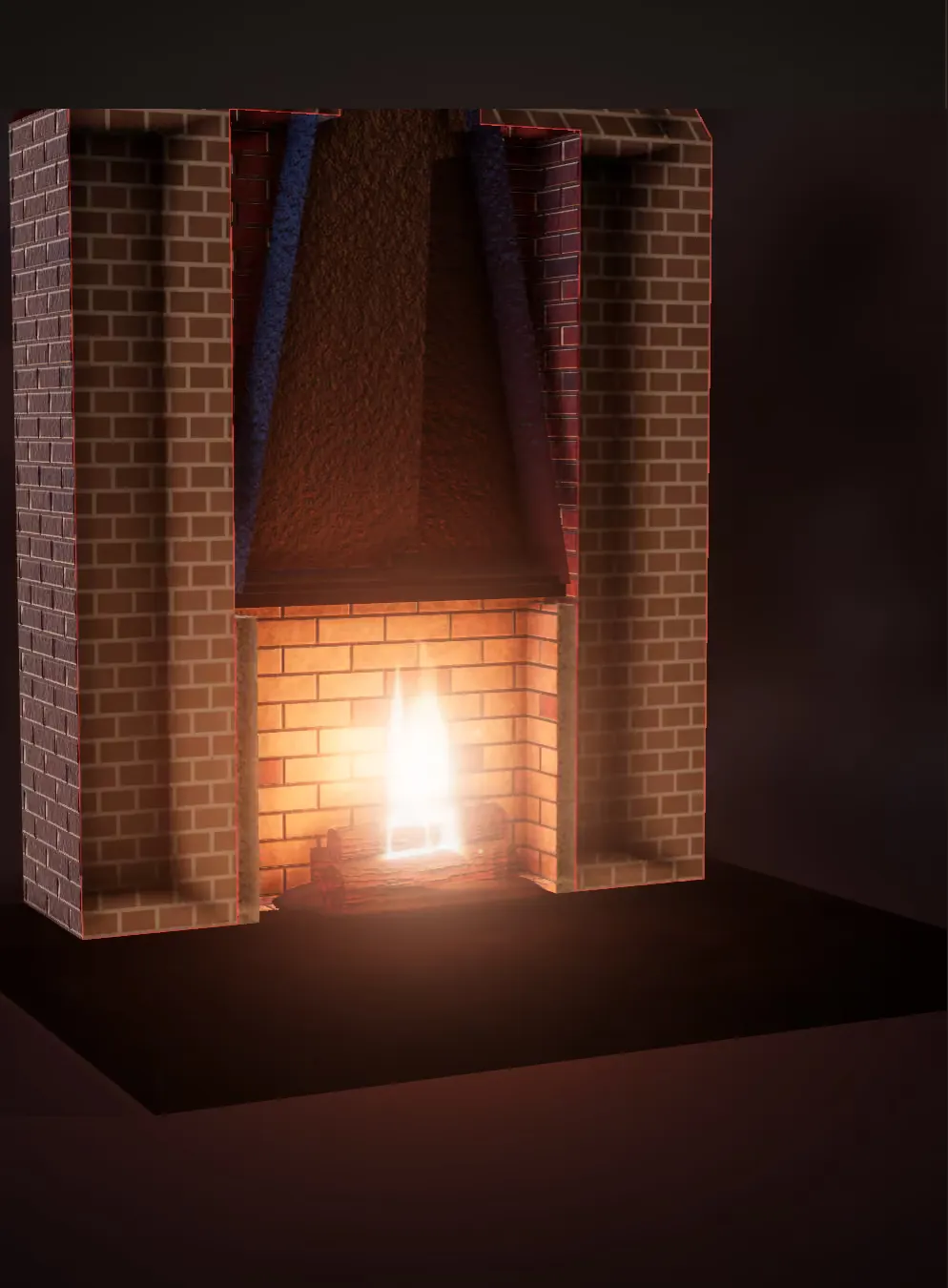
Illustration The liner and its tiles.
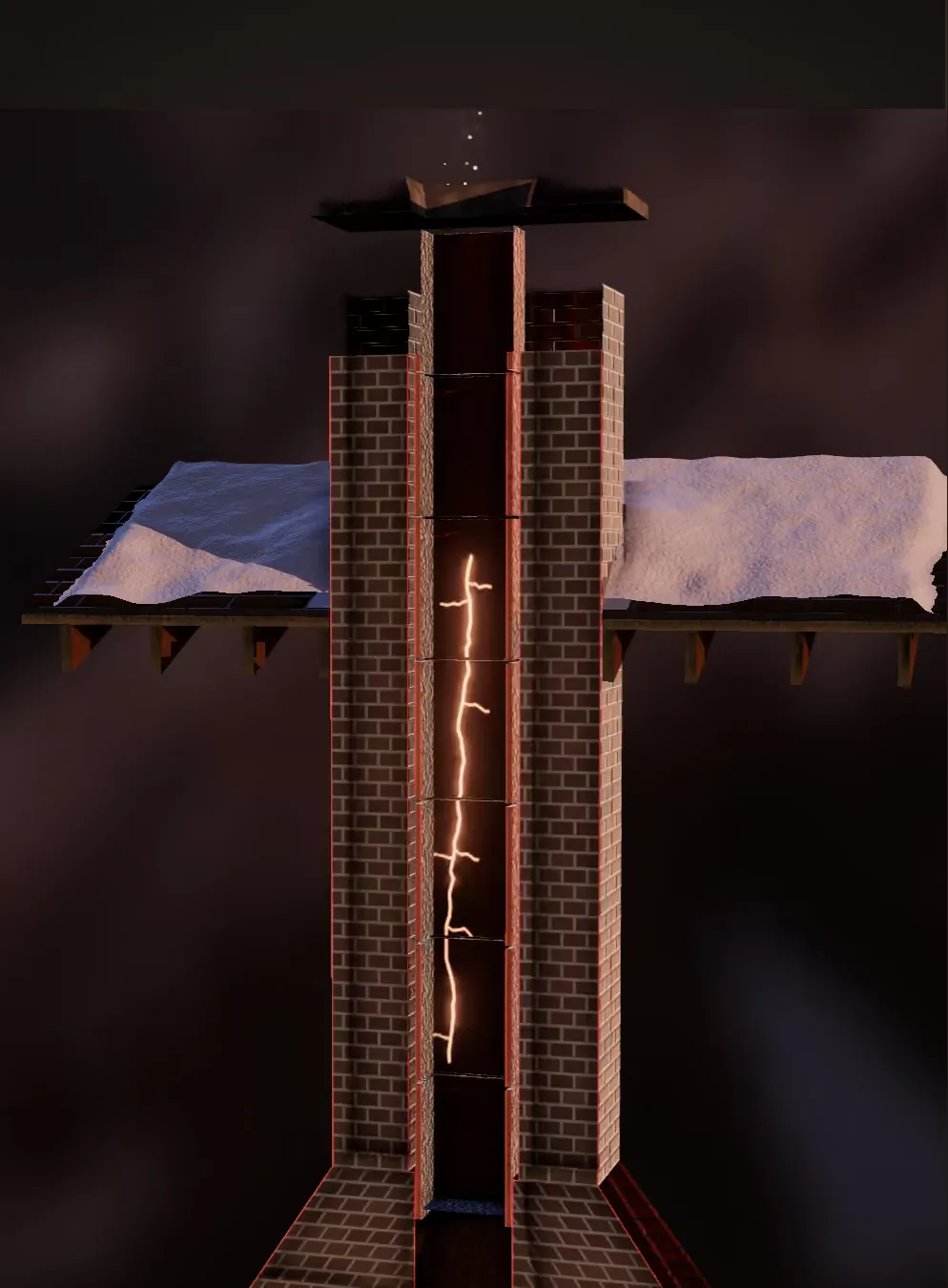
From damper to cap, the liner carries smoke and heat away from the house. A cracked or shifted tile, or a metal seam that has rusted through, can let heat reach framing and fumes reach rooms, and from the roof or the firebox the fault often cannot be seen. A camera passed up the flue reveals it, as does a Level 2 inspection. Lakewood's median house was built in 1977, which puts a typical flue near fifty years of service.
Illustration
Questions about repairs.
Short answers, each naming a source where there is one.
Why do crowns crack?
Being at the very top, the crown endures every freeze and thaw. Water swells by roughly 9 percent on freezing, so a hairline crack that holds meltwater widens a little each cold night. Repaired early, it stays a minor job; ignored, it lets moisture into the brick and flue.
Is water in the fireplace something to worry about?
Usually, yes. A wet hearth or a stain on the ceiling around the chimney almost always means water entering at the top, through the cap, crown or flashing, or through worn mortar joints. An inspection can pinpoint where.
What is tuckpointing?
It means renewing worn mortar joints with fresh mortar. Mortar is designed to wear before brick, so worn joints are normal; the problem starts when they open and let water behind the brick face. Doing it early holds the bricks in place.
Is a cap needed on every chimney?
In almost every case. Without one, rain, snow, birds and squirrels can enter the flue, and nothing stops sparks leaving it. The model code (IRC R1003.9.2) caps the screen openings at 1/2 inch.
Will I hear the plan before work starts?
Yes. We report what we found, moving from cap to firebox, and you choose which repairs to make and when.
How do I get started?
Phone (983) 955-9455, or write what you noticed on the form below, which takes requests at any hour.
Tell us about your chimney.
Say what you have noticed on the form, or pick up the phone. Someone gets back to you to choose a day.
- 1You get in touch Phone the office, or write a few lines on the form.
- 2Someone calls you back We talk and find a day that works for you.
- 3The visit, top to bottom The work follows the stack from the roofline down to the hearth.
- 4Your decision Afterward we explain what we saw. What happens next is up to you.
By form
Any hour of the day or night
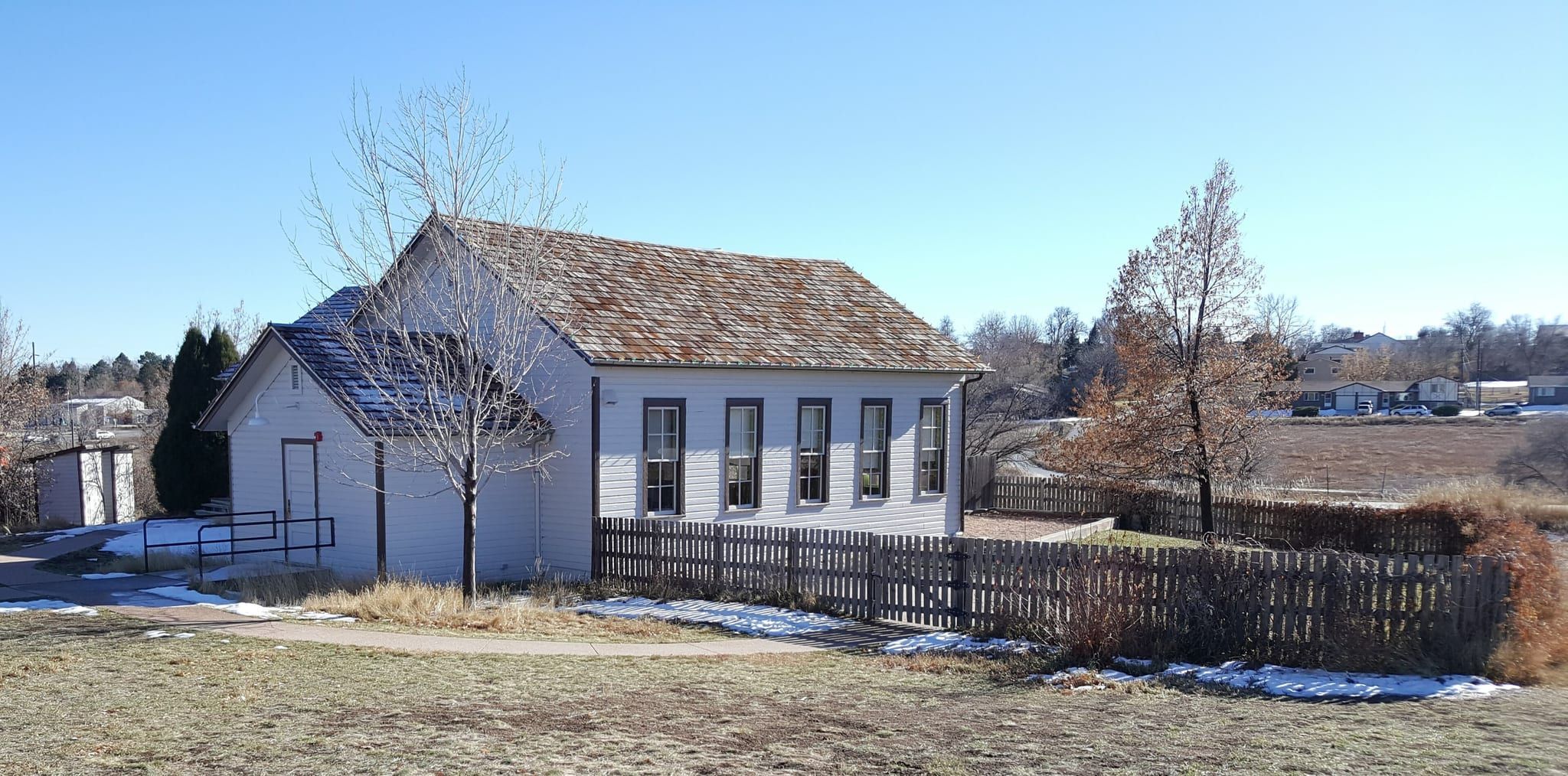
Photo: Country School and yard, Lakewood Heritage Center, Xnatedawgx, CC BY-SA 4.0